
Is Hydro Jetting Better Than Snaking for Old Pipes?
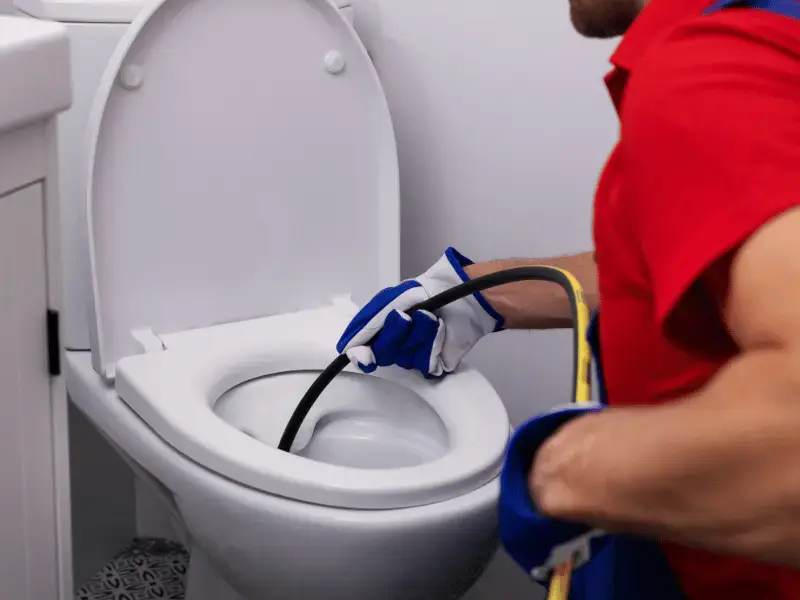
Quick Answer: Hydro jetting is better than snaking for old pipes sometimes if the pipe is structurally intact and the clog is caused by grease, soap scum, scale, or light root intrusion that coats pipe walls. Snaking is usually better for single, localized blockages, fragile clay lines, or when you need foreign object retrieval fast. […]
Is Hydro Jetting Safe for Old Pipes? What to Know
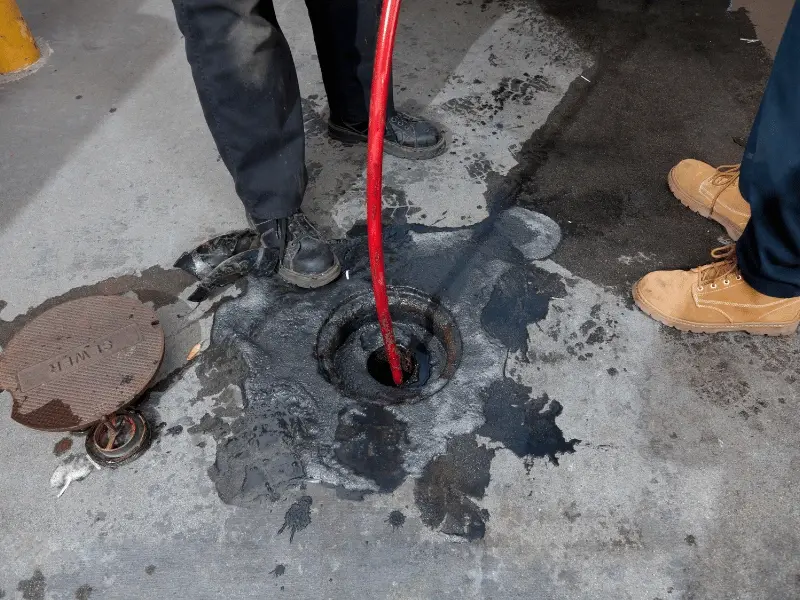
Quick Answer: Yes hydro jetting is safe for old pipes when the line is structurally sound and pressure is correctly controlled, but it’s risky for brittle, cracked, or severely corroded pipes. The safest approach is confirming pipe condition with a sewer camera inspection, choosing the right nozzle, and using a lower PSI with multiple passes […]
How Infrared Camera for Water Leak Detection Finds Slab Leaks
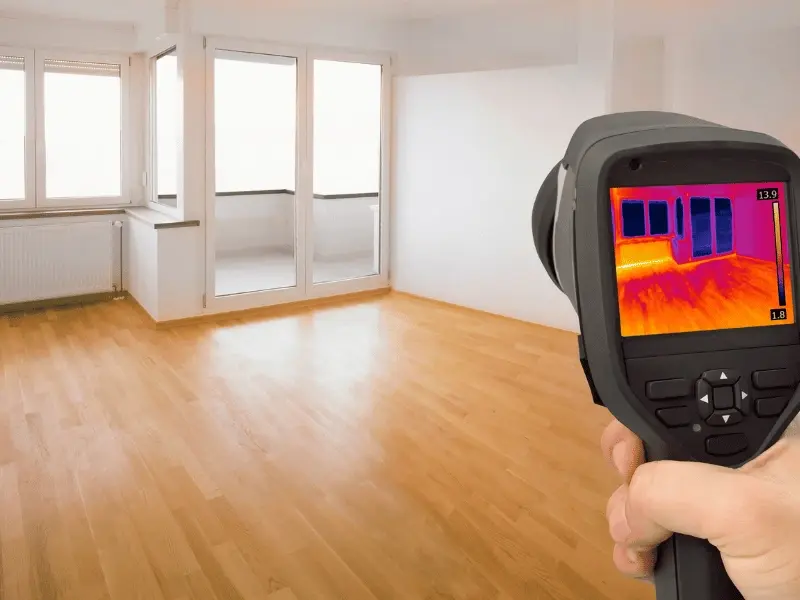
Quick Answer: An infrared camera for water leak detection finds slab leaks by capturing temperature variations on floors and walls caused by moisture cooling or heating nearby surfaces. It doesn’t “see” water, it maps infrared radiation and reveals thermal images (thermograms) where leaks change heat flow, often through evaporative cooling or delayed cooling after heat […]
How to Detect Slab Leaks in Commercial Buildings Early
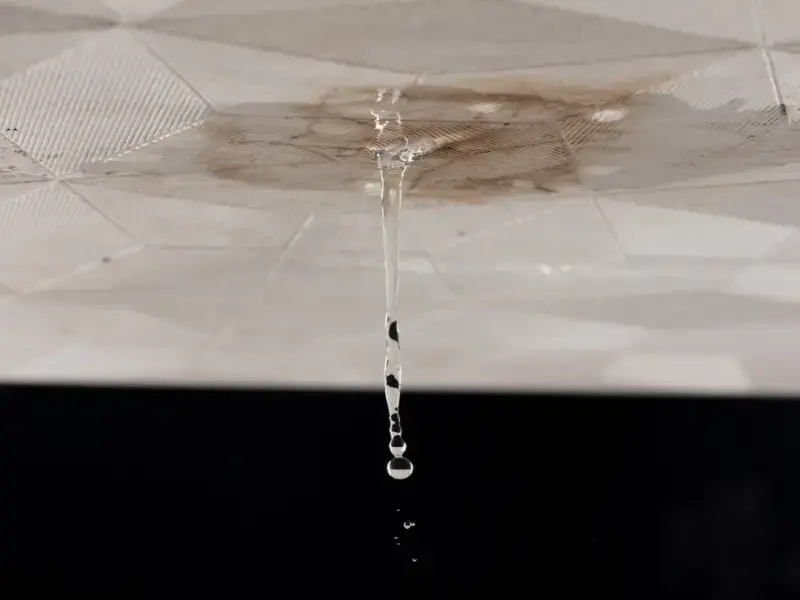
Quick Answer: To detect slab leaks early in commercial buildings, watch for unexplained water-use spikes, pressure drops, warm/cold floor zones, musty odors, and continuous “running water” sounds. Confirm suspicion with a water meter test, isolate zones, and run a pressure gauge test to spot continuous water usage. Use non-invasive tools, acoustic equipment and electronic leak […]
Why Your Water Heater Is Dripping From Pressure Relief Valve
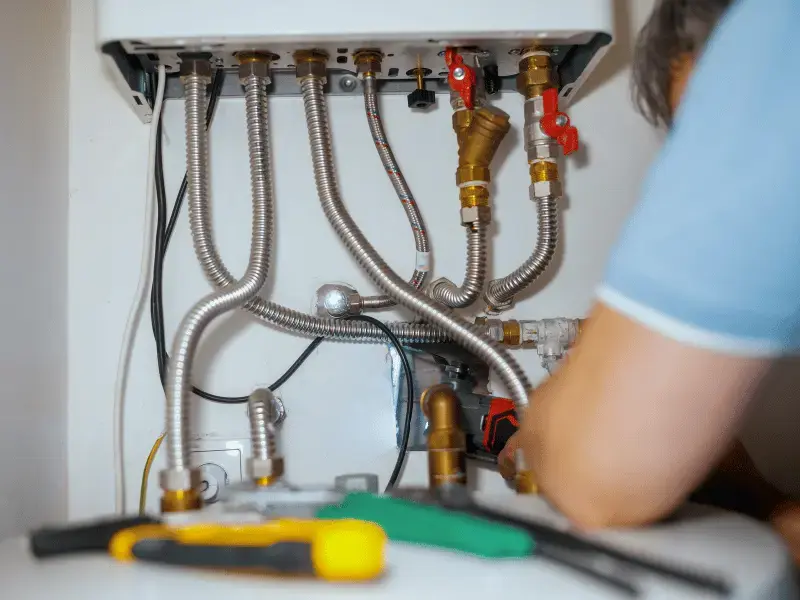
Quick Answer: Water heater dripping from the pressure relief valve usually means the tank is experiencing excess pressure, excess heat, or the valve can’t seal due to wear, debris, or corrosion. The T&P valve is a critical safety device designed to open around 150 PSI or 210°F to prevent dangerous over-pressurization. In many cases, the […]
Can Cold Weather Affect Hot Water Heater Pressure?
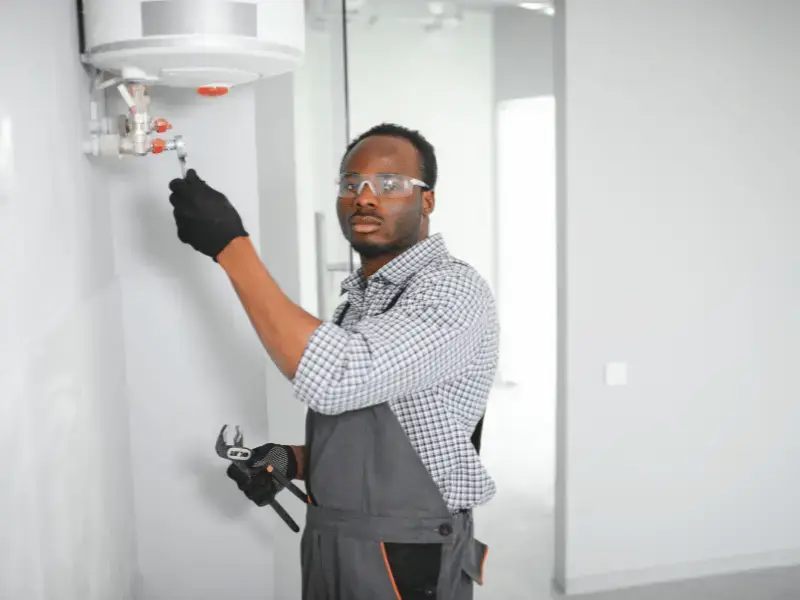
Quick Answer: Yes, cold weather can affect hot water heater pressure by lowering incoming water temperature, increasing hot water demand, and exposing heat loss or flow restrictions in pipes. During winter, heaters work harder, recovery slows, and safety components like pressure relief valves may react to thermal expansion. These factors can make hot water pressure […]
Early Signs of a Sewer Backup That Appear in Winter
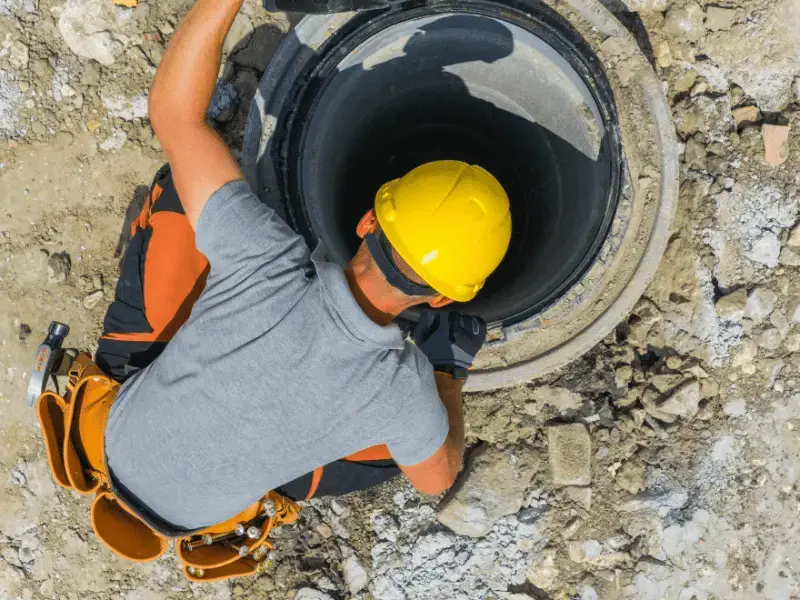
Quick Answer: The earliest signs of a sewer backup in winter are multiple slow drains, gurgling or bubbling sounds, foul sewer odors, and toilet water rising often triggered by freezing temperatures, grease buildup, and winter rain saturating soil. If your sewer smell worsens after rain, floor drains back up, or several fixtures drain slowly at […]
How to Prevent Sewage Backup in House During Winter Months
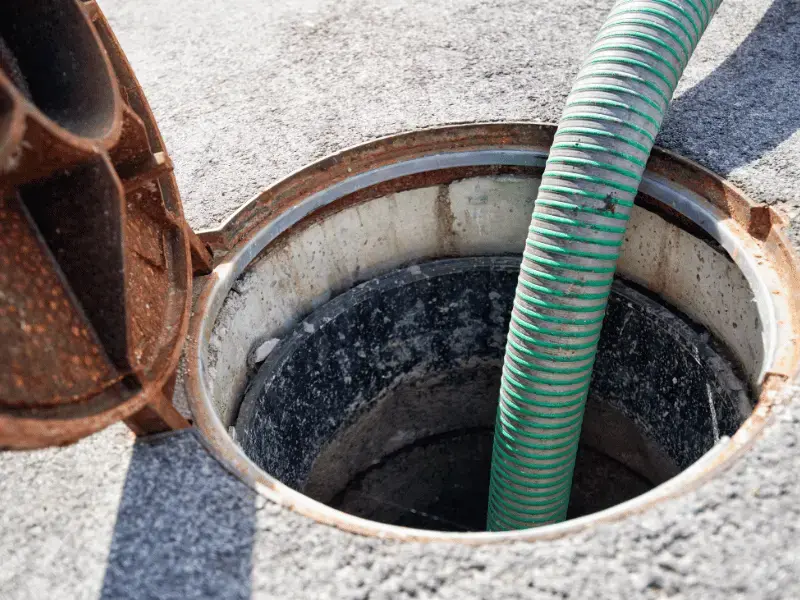
Quick Answer: To prevent sewage backup in house during winter months, keep wastewater flowing by stopping grease and debris clogs, protecting pipes from freezing temperatures, managing snowmelt and groundwater pressure, and acting early on slow drains, gurgling sounds, and sewer odors. Use drain strainers, avoid flushable wipes, maintain proper drainage around your home, and consider […]
Water Heater Recommended Temperature for Chula Vista Homes
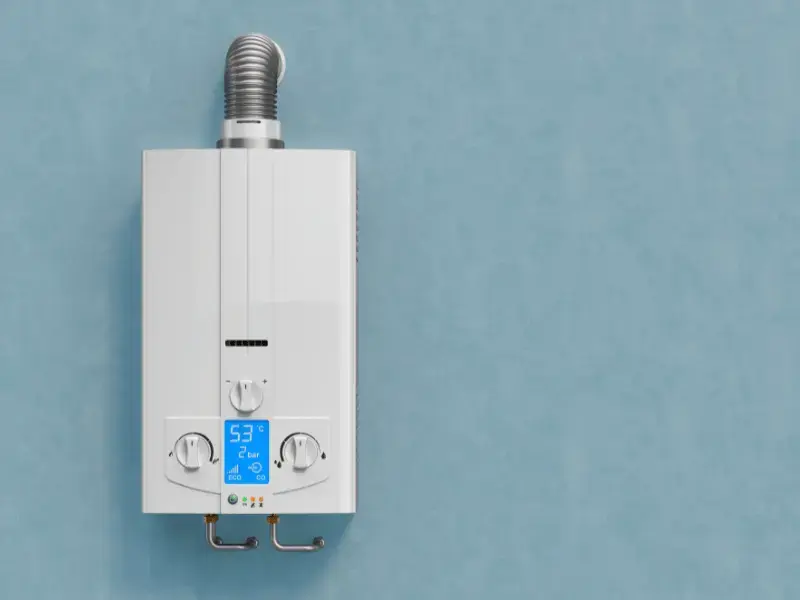
Quick Answer: The water heater recommended temperature for most Chula Vista homes is 120°F, which balances safety, energy efficiency, and daily comfort. This temperature is hot enough to prevent bacterial growth like Legionella while reducing scalding risk for children and seniors. During winter, some households may increase the setting slightly for comfort, but exceeding safe […]
Purpose of Expansion Tank on Water Heater and When It’s Needed
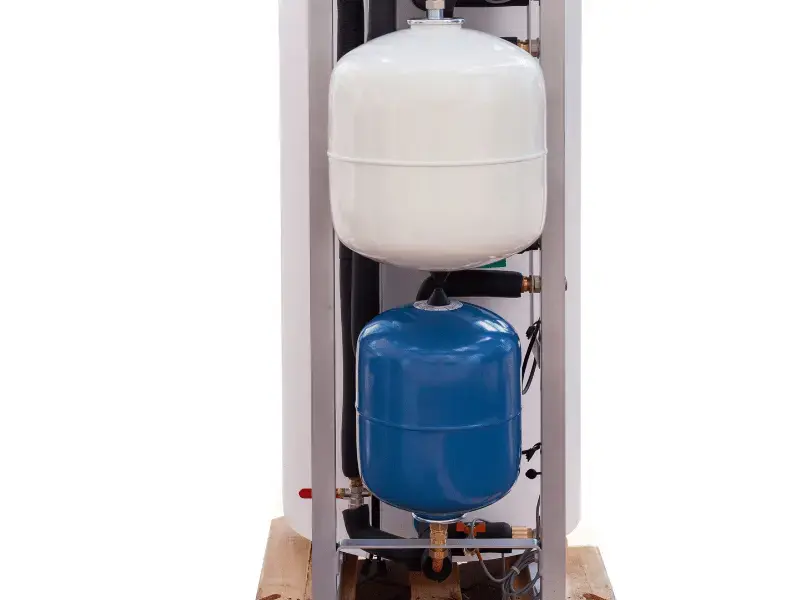
Quick Answer: The purpose of expansion tank on water heater is to control pressure created by thermal expansion when stored water is heated inside a closed plumbing system. As water heats up, its volume increases, and without an expansion tank, this excess pressure has nowhere to go. An expansion tank absorbs the expanded water and […]